


Storytelling in Marketing: Turn Data Into Emotion, Build Trust, and Drive Revenue
Attention is scarce, choices are abundant, and sameness is everywhere. The brands that win do not just inform, they connect. That is why storytelling in marketing matters. A clear brand narrative transforms features into meaning, it creates emotional connection, and it nudges action in ways that facts alone cannot. With AI now part of every content stack, teams can scale stories without losing the human spark that makes them memorable.
Why Stories Convert When Facts Do Not
Stories work because they mirror how people make sense of the world. Narrative triggers attention, emotion, and memory, which then improves decision making. When your customer recognizes themselves as the character in your story, sees the conflict you solve, and believes the outcome you promise, friction drops and trust rises. That cycle is what turns content into pipeline.
Operationalizing this effect requires repeatable systems. Many teams start by mapping a message hierarchy and narrative pillars, then orchestrate distribution through an integrated content automation workflow. The result is consistent story arcs from social to sales decks, with channel specific adaptations that keep the heartbeat of the brand intact.
From Plot to Pipeline, Storytelling Across the Funnel
A strong brand story shows up differently at each stage of the journey, but the core message stays consistent. Awareness favors curiosity and empathy. Consideration needs clarity and credibility. Decision requires proof and reduced risk. After purchase, storytelling reinforces value and community, which fuels retention and referrals.
- Top of funnel, origin stories and category narratives that frame the problem in human terms.
- Middle of funnel, customer mini documentaries, use case explainers, and side by side comparisons anchored in outcomes.
- Bottom of funnel, proof driven case stories with specific metrics and objections addressed in context.
- Post purchase, success spotlights and transformation arcs that celebrate the customer as the hero.
How AI Elevates Brand Storytelling Without Losing the Human Voice
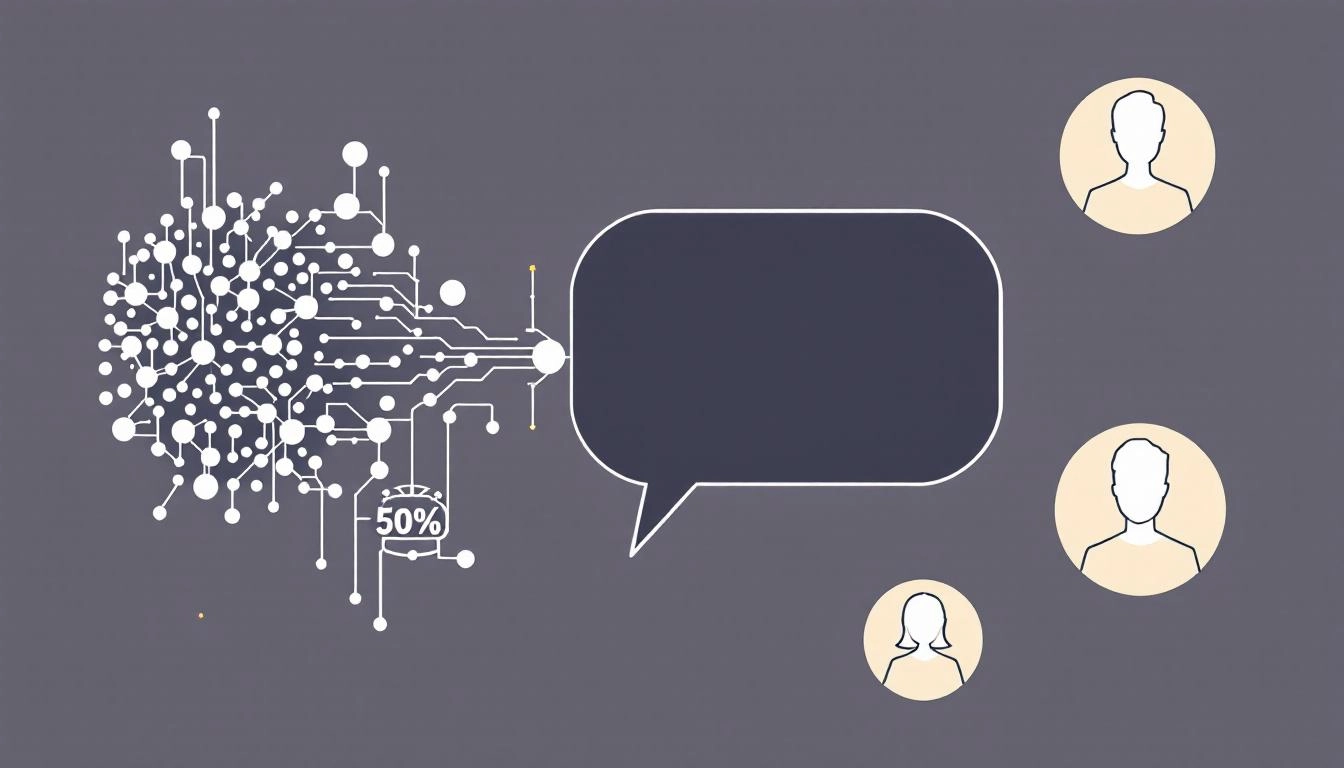
AI can analyze audience signals, surface patterns, and generate first drafts, but it should augment human judgment, not replace it. Treat AI as a creative accelerator that helps you find angles faster, maintain voice consistency, and personalize at scale. For example, build a story library with reusable beats, then let AI content automation remix those beats into channel ready assets while your team refines tone and nuance.
Teams also benefit from reusable brand storytelling templates, structured prompts, and governance rules that encode voice, values, and claims. This keeps quality high as you scale output across regions and segments.
Human Creativity Plus Machine Efficiency
Start with human sourced insights, customer interviews, sales call notes, and community feedback. Use AI to cluster themes, detect sentiment, and propose narrative angles. Editors then shape the best angle into a full arc, character, conflict, resolution, proof, and next step, while AI assists with versioning for email, social, web, and ads.
Governance and Brand Safety
Create a centralized style guide, message map, and claim library. Require human review for sensitive topics. Use AI for grammar checks, tone alignment, and compliance flags. This combination safeguards brand integrity while speeding production.
A Simple Brand Story Framework You Can Deploy
Stories become scalable when the structure is clear. This five part framework helps teams stay consistent across assets while leaving room for creativity.
- Character. Define the customer role clearly, job to be done, pains, and stakes.
- Conflict. Name the obstacle, chaos, inefficiency, or missed opportunity.
- Resolution. Explain how your approach changes the situation, not just the feature list.
- Proof. Offer specific outcomes, time saved, revenue gained, risk reduced, with credible sources.
- Next step. Provide a low friction action that matches the customer’s readiness.
Example, Product Launch Narrative
Character, a growth marketer juggling five tools and missed deadlines. Conflict, fragmented workflows and inconsistent messaging that weaken campaigns. Resolution, a unified workspace that turns briefs into on brand content in minutes. Proof, 40 percent faster production and 18 percent higher CTR across three channels. Next step, try the template on a single campaign and compare results within a week.
Measuring Storytelling Impact Without Losing the Plot
Good stories feel great, but great strategies quantify lift. Tie your narrative to signals that track attention, belief, and behavior, then connect them to revenue. Use control cohorts where possible and look for directional alignment across metrics rather than single number heroics.
- Engagement quality. Read time, scroll depth, reply rate, and save or share actions.
- Memory and meaning. Brand recall surveys, message association, and aided or unaided awareness.
- Conversion influence. Assisted conversions, demo requests with story touchpoints, and win rate deltas.
- Velocity and value. Sales cycle time, average deal size, and post purchase expansion.
Common Pitfalls and How to Avoid Them
Many campaigns fail not because the product is weak, but because the story is unclear. Avoid complexity that confuses the audience, claims that lack credibility, and content volume that sacrifices consistency. Ensure every asset answers who is this for, what is changing, and why now.
- Do not make yourself the hero. Cast the customer as the protagonist and your brand as the guide.
- Avoid feature lists without context. Tie capabilities to outcomes and stakes.
- Do not chase trends that dilute your voice. Codify brand tone and stick to it.
- Prevent channel whiplash. Keep the core arc consistent while adapting length and format.
- Back every promise with proof. Use numbers, names, and specifics where permitted.
When your narrative is consistent, evidence based, and emotionally resonant, creative and performance stop competing. They compound. That is the real importance of storytelling in marketing, a durable advantage that turns messages into momentum.
Start creating smarter content with MyCopyHub’s AI assistant today.

