


Integrate AI Into Your Content Creation Workflow, A Practical Playbook for Marketing Teams
Content demand keeps rising while resources stay flat. Integrating AI into your content creation process can unlock scale and speed without sacrificing quality, but only if you design it as a workflow, not a one off tool. Here is a clear, practical way to embed AI across your content lifecycle, protect your brand voice, and measure real impact.
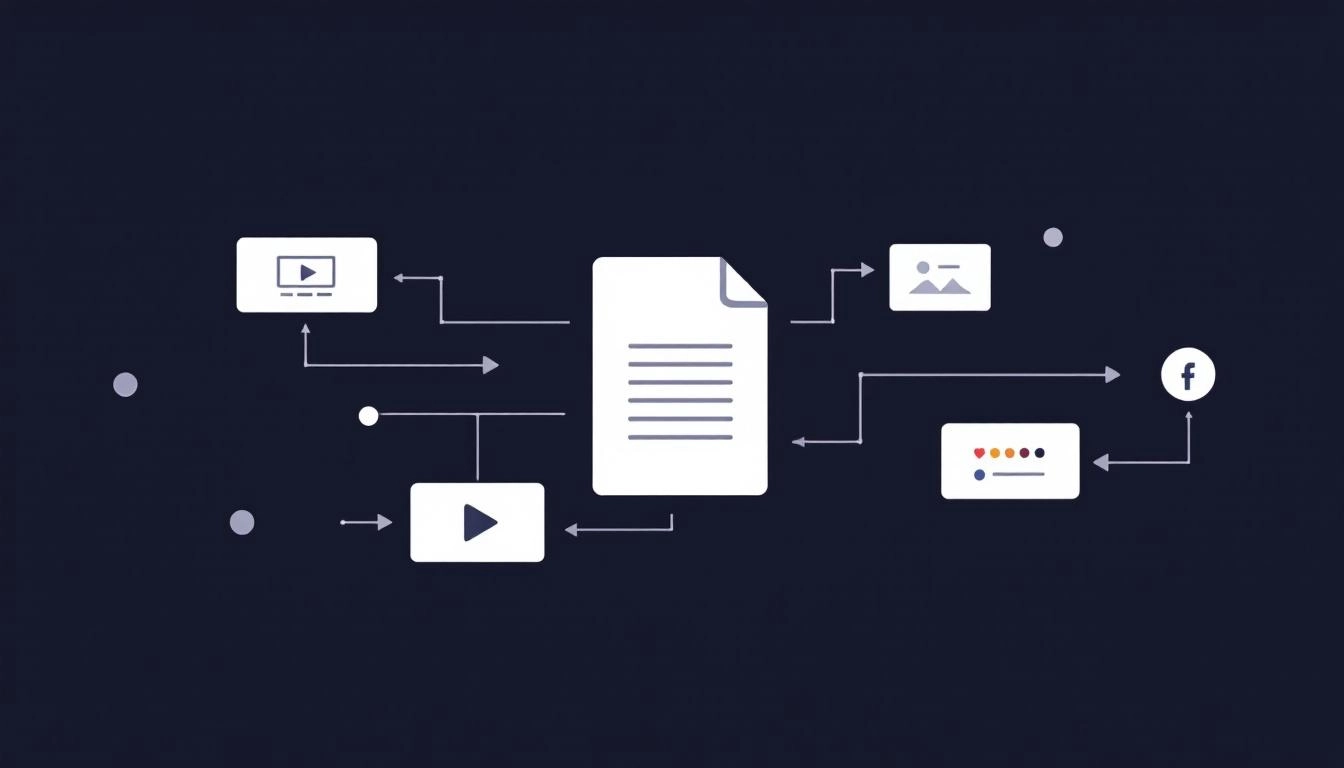
Begin by mapping your current process from brief to publish, then decide where AI will assist and where humans make final calls. A simple way to start is documenting a reusable content automation workflow that clarifies inputs, outputs, and approvals for each step.
Next, replace ad hoc prompting with repeatable assets. Standardize your briefs, voice rules, and review criteria, then express them as reusable prompts. Many teams see quick wins by rolling out shared AI content brief templates that guide consistent inputs and reduce rewrites.
Why integrate AI now, and what good looks like
AI helps teams resolve the classic triangle of speed, volume, and quality. When integrated with intent, it reduces research time, structures drafts to your outline, and personalizes content for channels. High performing teams set clear guardrails, keep a human in the loop, and prioritize brand fidelity over generic scale.
Start with strategy, not tools
Define a small set of business outcomes before choosing models or apps. Decide how AI will serve your goals, whether that is increasing organic traffic, reducing time to publish, or increasing conversion on landing pages. Translate these into specific use cases and acceptance criteria so your team knows what success looks like.
Map the content lifecycle and place AI where it fits
Research and ideation
Use AI to summarize audience insights, cluster keywords, and generate angles aligned to search intent. Pair AI outputs with your analytics and customer feedback so ideas reflect real demand, not just novelty.
Briefing and outlining
Turn raw ideas into structured briefs that specify audience, job to be done, desired action, outline, examples to cite, and brand voice rules. AI can draft these quickly, then a strategist tightens the focus and resolves gaps before writing begins.
Drafting and editing
Use AI to produce first drafts that follow the brief, then have editors refine structure, nuance, and proof points. Let AI handle passes for clarity, reading level, and grammar. Humans own argument strength, originality, and narrative flow.
Multimedia and variations
Generate visual concepts, social copy variants, subject lines, and meta descriptions that reflect the core message. Keep one source of truth for claims and data so every asset remains consistent.
Repurposing and distribution
Break long form content into email snippets, social threads, and short videos. AI can adapt tone by channel while preserving your brand voice and calls to action.
QA, compliance, and fact checking
Automate checks for reading level, brand terms, and inclusive language. Always fact check names, numbers, and quotes against primary sources. Train editors to spot confident but incorrect outputs.
Protect your brand voice with reusable AI instructions
Codify your brand voice and style rules once, then reuse them. Capture traits, do and do not examples, industry terminology, tone by funnel stage, and words to avoid. Store this guidance alongside prompts so every contributor starts from the same baseline.
Build a lightweight AI stack that connects to your workflow
Your stack should reflect how your team already works. Prioritize tools that integrate with your CMS, asset library, and project management. Use templates for briefs and prompts, create a shared repository of examples, and automate handoffs between steps. Keep data privacy in mind, especially if content references customer information.
Human in the loop, always
Decide where human judgment is mandatory, such as final messaging, sensitive topics, and legal review. Set thresholds for acceptable changes, and require at least one human edit for accuracy and tone before publish. Teach writers to critique AI outputs, not just accept them.
Measure what matters
Tie your AI program to metrics that reflect quality and business outcomes, not just volume. Track before and after baselines so you can see where AI truly helps.
- Time to first draft and time to publish
- Organic traffic growth and ranking movement
- Engagement rate and conversion by asset
- Edit rate and rewrite frequency
- Content pipeline throughput by stage
Governance and risk management
Establish rules for sourcing, citation, and originality. Require attribution for data points and prohibit generated content that mimics living creators. Keep sensitive data out of prompts. Maintain a changelog for generated content, and run periodic audits for bias, accessibility, and inclusivity.
A simple 30, 60, 90 day rollout
Days 1 to 30, prove the basics
Pick one content type, for example product blog posts, and one channel. Document the current process, build a reusable brief and prompt set, then measure time to first draft and edit rate.
Days 31 to 60, scale templates
Extend briefs to include channel variations, define voice rules, and add automated checks for style, reading level, and metadata. Train editors to review AI outputs consistently.
Days 61 to 90, automate handoffs
Connect your draft workspace to your CMS, set up approval flows, and add repurposing steps. Publish a short playbook so new teammates can adopt the workflow quickly.
Prompting that actually works
Good prompts are structured, specific, and anchored to your brief. Provide audience, purpose, constraints, and examples. Ask for outlines before drafts, request alternatives, and instruct the model to cite sources or flag uncertainties. Save your best prompts and pair them with sample inputs and outputs so others can reproduce success.
Set expectations and keep improving
AI will not replace expert perspective or original research. It excels at pattern work, speed, and coverage. Your differentiator remains insight, proof, and storytelling. Review performance monthly, retire what does not work, and refine prompts and briefs as your brand evolves.
Start creating smarter content with MyCopyHub’s AI assistant today.

