


How to Repurpose Content for Different Platforms with AI, a Practical Workflow
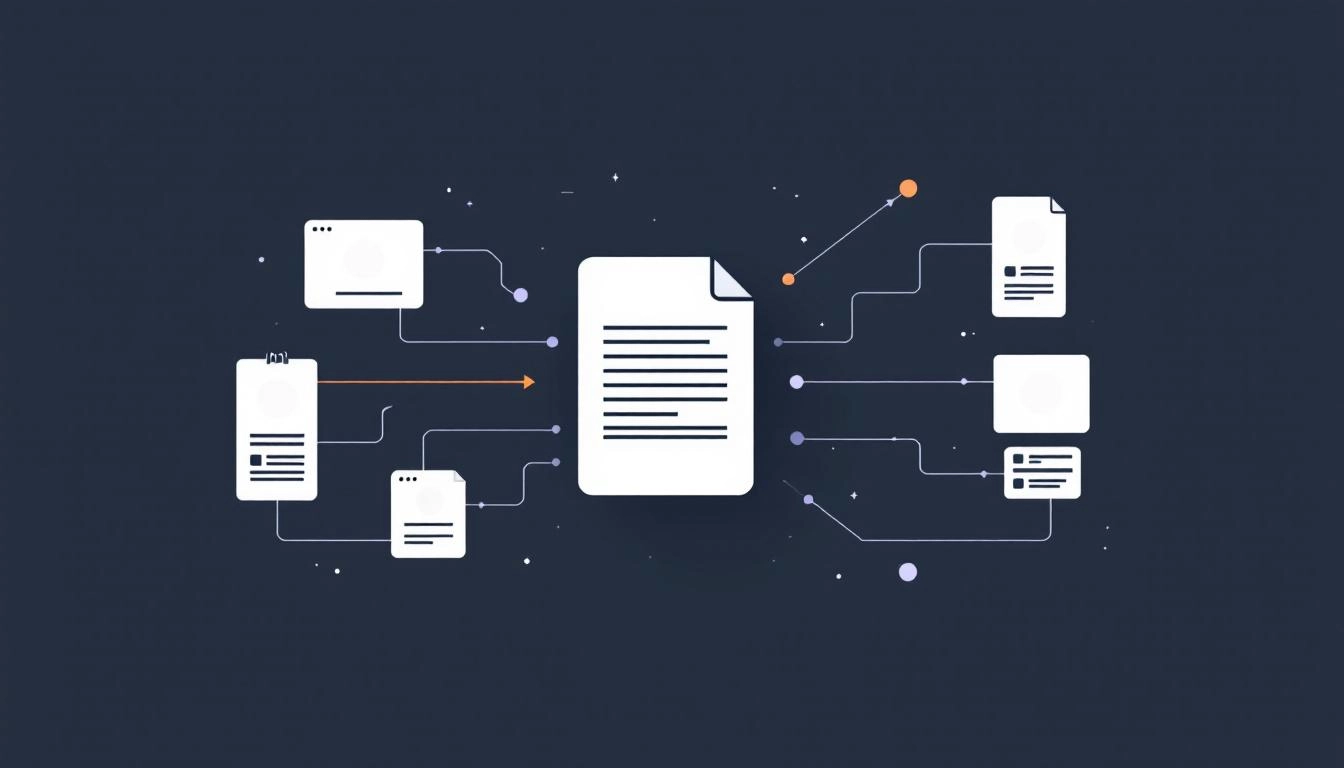
You do not need more ideas. You need more mileage from the ideas you already have. Repurposing turns one strong message into channel native content that performs on every network. With the right mix of AI, automation, and guardrails for brand storytelling, you can scale output without sacrificing quality or voice.
Start with a pillar, not a post
Great repurposing begins with a single high value source, your pillar. Think webinar, research report, customer interview, or an in depth blog. A pillar gives you depth, data, and quotes that can be reframed for different platforms while keeping the message consistent. Work from a clearly defined narrative. What is the core point, proof, and takeaway you want audiences to remember?
Map one message to many formats
Every channel has its own rhythms. Instead of copy pasting, translate your pillar into the format that fits user behavior. Create short, skimmable assets for fast feeds. Create longer, reference worthy pieces for search and subscribers. If you need a blueprint, build a simple channel matrix that pairs message, format, length, and call to action. See how this fits into a scalable content automation workflow that keeps your team focused on strategy.
Blogs and articles
Turn your pillar into a search friendly article that leads the narrative. Use subheads that mirror search intent, add internal links, and include a concise summary at the top. From there, spin out supporting posts that answer one question each. This creates a cluster that reinforces topical authority.
- Create a long form anchor post with a clear thesis.
- Publish 3 to 4 follow up posts that answer related questions.
- Bundle the series into a downloadable guide to capture leads.
LinkedIn and X
Feed audiences who prefer insight over fluff. Lead with a hook that earns the click to expand. Share a concise story, a data point, and a takeaway. Write in short sentences. Use clean formatting. End with one question to invite conversation.
- Post a 5 to 7 line narrative that distills your key finding.
- Share a visual quote card to spotlight a customer insight.
- Publish a carousal with one idea per slide for skim value.
Instagram, TikTok, and Shorts
Make the message visual. Show process over perfection. Pair a bold headline with movement, then add captions for sound off viewers. Keep the pace fast, and front load the payoff in the first three seconds.
- Cut a 20 to 30 second tip with one actionable step.
- Show a before and after, problem then solution.
- Turn stats into kinetic text with an on brand template.
YouTube and podcasts
Go deeper for subscribers who want context. Use your pillar to script a short video or an audio episode. Lead with the outcome, then unpack the why and how. Publish the transcript, time stamps, and links for extra SEO reach.
- Record a 6 to 10 minute explainer that answers one question.
- Break highlights into 3 shorts for discovery.
- Post the transcript as a companion article for search.
Email and newsletters
Email is where you earn loyalty. Summarize the idea, then send readers to the best format for more. One message, one clear action. If you have multiple assets, curate them as a mini collection.
- Write a 120 to 180 word summary with a single link.
- Add a P.S. with a bonus quote or stat for curiosity.
- Tag clicks by topic to refine future segmentation.
Build an AI powered repurposing workflow
AI should accelerate the boring parts, not erase your voice. Use it to extract highlights, draft variants, and format outputs. Keep humans in the loop for storytelling, fact checking, and nuance. For a complete toolkit, explore practical approaches to AI content repurposing that protect brand standards while speeding production.
Five steps to scale without losing quality
Design a repeatable flow that moves from pillar to publish with minimal context switching. Assign owners, define expectations, and automate handoffs where possible.
- Mine the pillar. Have AI summarize key points, quotes, stats, and FAQs.
- Draft channel variants. Generate outlines and first passes for each format.
- Apply brand voice. Use a style prompt with examples to keep tone consistent.
- Package assets. Auto create thumbnails, captions, and UTMs for tracking.
- Schedule and monitor. Queue content, then review performance weekly.
Keep brand voice consistent across platforms
Consistency builds trust. Create a living style prompt that includes tone descriptors, banned phrases, preferred vocabulary, and formatting rules. Feed this to your AI assistant with two or three on brand samples. Require every draft to pass a voice and compliance check. Save high performing posts as templates to reinforce your brand storytelling.
Measure what matters and iterate
Pick metrics that match the job of each channel. Track watch time on video, saves and shares on social, click through on email, and assisted conversions across the funnel. Add UTMs to every link so you can attribute outcomes. Review weekly for quick wins and quarterly for strategic shifts. Repurpose winners again, update the angle, and reship.
Turn one webinar into a month of content
Start with a 45 minute session that covers a problem, a framework, and three examples. From there, aim for a balanced mix across channels that repeats the message without repeating the format.
- Anchor blog that synthesizes the framework with visuals.
- Three short videos, each focused on one example.
- Two LinkedIn posts, one narrative, one data driven.
- One email that summarizes the idea and links to the replay.
- Four social graphics built from quotes and stats.
Common pitfalls to avoid
Repurposing is not copy paste. It is translation. Protect quality by watching for these traps.
- One size fits all captions that ignore platform norms.
- Over posting without a clear narrative arc.
- Inconsistent CTAs that confuse next steps.
- Skipping edits, which leads to factual or tone errors.
Prompts to speed up high quality outputs
Use prompts that give AI enough context to respect your message and your audience. Always include the purpose, audience, and tone, then paste the source text.
- Summarize the key insight in 120 words for a newsletter intro, tone confident, audience B2B marketers.
- Draft a LinkedIn post that opens with a tension point, includes a stat from the source, and ends with one thoughtful question.
- Create a 30 second vertical video script with a three second hook, one example, and a single CTA.
- Extract five quotable lines suitable for social graphics, under 12 words each.
Start creating smarter content with MyCopyHub’s AI assistant today.

