


How to Repurpose Content for Different Platforms with AI, a Practical Playbook for Higher ROI
You do not need more ideas, you need more mileage from the ideas you already have. Strategic content repurposing turns one strong asset into many platform native pieces, saving time while multiplying reach and conversions. With the right workflow and AI assist, you can apply a Create Once, Publish Everywhere mindset, keep your brand storytelling consistent, and keep your calendar full without burning out your team.
Why repurposing content multiplies results
Repurposing extends the shelf life of your best work. It helps you meet audiences where they already are, match their consumption preferences, and reinforce your message across touchpoints. It is also an SEO win, since derivative formats create new entry points to the same core narrative when executed with quality.
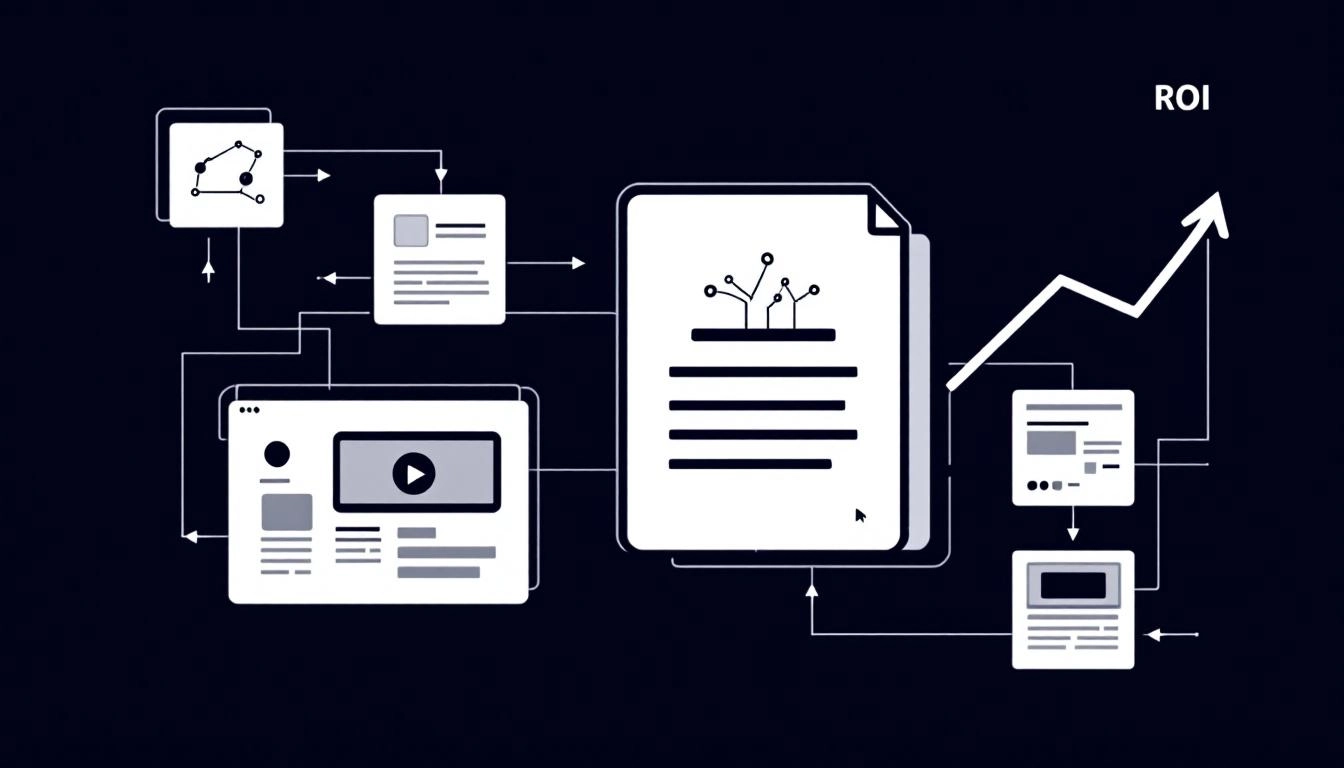
The efficiency gains come from standardizing a content automation workflow that transforms one source asset into multiple deliverables. Instead of starting from scratch every channel, you atomize the source, adapt for channel constraints, and publish on a consistent cadence with built in QA and measurement.
Start with a pillar, then atomize it
Begin with a substantial source, often called a pillar: a webinar, research report, product announcement, long form blog, or customer story. Clarify the single narrative you want to carry across platforms, then break that pillar into smaller assets that map to goals like awareness, engagement, or conversion. This is the atomization step, where you preserve the core message and vary the angle and format.
- Turn a 30 minute webinar into short vertical clips, quote cards, and a highlights blog.
- Convert a research report into an email series, a webinar deck, and a LinkedIn carousel.
- Transform a case study into social proof snippets, a landing page module, and a short reel.
- Refactor a blog into FAQ answers, a how to thread, and a product tip video script.
Adapting for major platforms without copy and paste
Lead with a clear point of view and make it skimmable. Use strong hooks in the first two lines, convert dense paragraphs into short sentences, and favor clean visuals like carousels for step by step content. For B2B offers, summarize the insight, then invite conversation rather than pushing links too soon. Save links for the comments or for the end of the post when appropriate.
Instagram and TikTok
Design for sound off consumption and quick comprehension. Emphasize captions that carry the message, add on screen text, and show rather than tell. Short sequences demonstrating a tip or transformation outperform talking head monologues. Keep brand elements consistent, reuse the same shoot to produce several edits, and vary the hook for A and B versions.
YouTube and webinars
Think modular. Record long form with chapter breaks and camera safe transitions so you can cut shorts and teasers. Title and thumbnail are your first impression, so make the promise explicit and visual. In post production, add lower thirds that echo your message hierarchy and include one clear call to action that drives to your primary asset.
Blog and SEO
Use the blog to house the complete story with search intent in mind. Repurposed blog versions should consolidate insights from video or social threads, adding context, internal headings, and structured data where helpful. Templates accelerate this job, especially when your AI can ingest transcripts and outlines and return a polished draft. Consider adopting AI content repurposing templates to keep tone and structure consistent across posts.
Email and newsletters
Email thrives on clarity and specificity. Pull one take away per send, not five. Tease the value in the subject line, recap the nugget in the first sentence, and offer a concise path to learn more. When you repurpose for email, reduce jargon, write for scanners, and make the click intentional, not obligatory.
Build a repeatable workflow with AI
A reliable process beats ad hoc brilliance. Use AI to accelerate the heavy lifting, then layer human judgment for accuracy, brand fit, and nuance. Centralize your brand voice, terminology, and compliance rules so every output starts closer to done. The goal is a repeatable flow that reduces context switching and protects quality.
- Define the pillar and audience, include the job to be done and success metric.
- Collect source materials, transcripts, assets, and examples of approved tone.
- Generate first drafts with AI transformations, one per channel and format.
- Review for message integrity, platform fit, and visual cohesion, then finalize.
- Publish on a staggered schedule, tag with UTMs, and centralize performance data.
Quality controls that keep repurposing on brand
Repurposing is not copy and paste. It is editorial adaptation. Before anything ships, confirm that the core claim remains true, the evidence still supports it, and visual identity holds together from feed to landing page. Close the loop by aligning CTAs, so every piece points to the same next step appropriate to its stage.
Measure what matters and iterate
Track performance by platform standard, then map those signals to a common view of the funnel. Look beyond vanity metrics and tie outcomes to your goals, from subscribers to demo requests. Iterate fast by cutting what does not move the needle and doubling down on formats and hooks that do.
- Top, attention quality, hook hold rates, watch time, scroll stop rate.
- Middle, saves, shares, replies, click through to long form or product pages.
- Bottom, assisted conversions, demo requests, trials, and influenced revenue.
Common mistakes to avoid
Most repurposing misses happen when teams work fast without a framework. A few guardrails prevent rework and protect your brand in market.
- Publishing the same copy everywhere, adapt for the audience and the format.
- Ignoring visual consistency, align colors, type, and layout across pieces.
- Overstuffing captions or scripts, simplify to one idea per asset.
- Skipping attribution and UTMs, measure pathways so you can attribute wins.
A simple two week repurposing sprint
Kick off Monday with a 20 to 40 minute pillar recording or a fresh customer story. By midweek, ship two short video edits and a LinkedIn post that teases one key insight. Early in week two, publish the expanded blog plus an email that highlights the most actionable takeaway. Close the sprint by releasing two more shorts from the same pillar and a carousel that distills the framework. You have created a cohesive mini campaign from one source, with the data to guide the next iteration.
Start creating smarter content with MyCopyHub’s AI assistant today.

